Trauma-Informed Intervention That Helps Young People Understand What’s Underneath the Behaviour
Young people’s experiences can shape how they see themselves, their relationships and the world around them.
Trauma doesn’t always look like trauma. It can show up through anger, overwhelm, withdrawal, anxiety, difficulties with relationships, emotional dysregulation, risk-taking or disengagement from education and support.
At BeyondTrauma Academy, we provide trauma-informed youth intervention that helps young people understand these connections, develop practical emotional regulation skills and build greater confidence in themselves and their future.
Our work can be delivered within schools, colleges, alternative provision, youth and community settings, and funded projects.
We don’t require young people to disclose their trauma or repeatedly revisit difficult experiences.
We help them understand what’s happening — and give them practical tools for what comes next.

For young people, regardless of background or experience, to have access to safe, empowering support that builds understanding, resilience, confidence and hope.

To equip young people with practical, lifelong skills through trauma-informed psychoeducation, DBT-informed strategies and relational practice, helping them better understand themselves, regulate difficult emotions and reconnect with education, relationships and their potential.
Our established, structured trauma-informed programme for groups of young people. Young people learn how experiences can influence their brain, body, emotions, beliefs and behaviour while developing practical strategies for emotional regulation and coping.
Flexible, trauma-informed workshops that help young people unpack beliefs, experiences and influences before exploring a specific issue affecting their lives or communities. The second part of each workshop can be tailored around issues including youth crime and violence, online worries, child sexual abuse, child sexual exploitation, self-harm, relationships and other identified needs.
The BeyondTrauma™ Youth Intervention Programme is a structured, skills-based intervention designed to help young people understand trauma and emotional responses without requiring them to verbally process traumatic experiences.
Rather than asking “What’s wrong with you?”, we help young people begin exploring:
“What’s happening to me — and why might I respond this way?”
Through psychoeducation, discussion, activities and practical exercises, young people develop a greater understanding of themselves while building strategies they can use beyond the programme.
The programme provides structure and predictability while allowing facilitators to adapt discussions and activities to the needs of the group.
The programme can support young people who may be:
Young people do not need to have a formal trauma diagnosis to benefit from trauma-informed education and emotional regulation skills.
Understanding Without Forced Disclosure
Young people are not required to share their trauma with the group.
Instead, we teach them how experiences can influence the brain, nervous system, emotions, beliefs and behaviour — allowing them to make their own connections safely.
Young people aren’t simply given information about trauma.
They develop practical strategies for grounding, managing overwhelm, recognising triggers, regulating emotions and understanding their responses.
The workbook-led approach provides consistency and structure, which can be particularly helpful for young people who benefit from predictability and clear learning.
Activities and communication can be adapted for different learning, processing and communication needs, including young people with Autism and ADHD.
Intervention starts with engagement.
We recognise that young people may have experienced multiple services or professionals and may initially be reluctant to engage.
Building trust, curiosity and connection is therefore central to our approach.
Young people are frequently taught what they shouldn’t do.
Don’t carry a weapon.
Don’t get involved with the wrong people.
Don’t send that image.
Don’t stay in an unhealthy relationship.
Don’t harm yourself.
But prevention also requires opportunities to explore why people can become vulnerable to particular behaviours, relationships and choices.
Our UNPACK Workshops create space for those conversations.
Each workshop begins with a trauma-informed exploration of the things we carry with us.
Young people are encouraged to consider how our:
can shape how we understand ourselves and respond to situations.
We then UNPACK a particular issue affecting young people.
Youth Crime & Violence
Exploring influences, vulnerability, trauma, choices, consequences and the factors that can contribute to violence or offending.
Online Worries
Exploring online relationships, pressure, harmful content, boundaries, exploitation and safer decision-making.
Child Sexual Exploitation (CSE)
Exploring grooming, relationships, power, vulnerability, exploitation and recognising unsafe situations.
Child Sexual Abuse (CSA)
Age-appropriate education around boundaries, harmful experiences, responsibility, disclosure and routes to support.
Self-Harm
Understanding emotional distress, overwhelm, coping responses and alternative strategies for managing difficult emotions.
Relationships & Boundaries
Exploring healthy and unhealthy relationships, beliefs about relationships, boundaries, respect and recognising harmful behaviours.
UNPACK can also be developed around an issue identified by a school, youth service, community organisation, commissioner or funder.
This allows us to respond to local need and emerging concerns while retaining the trauma-informed foundation of the intervention.

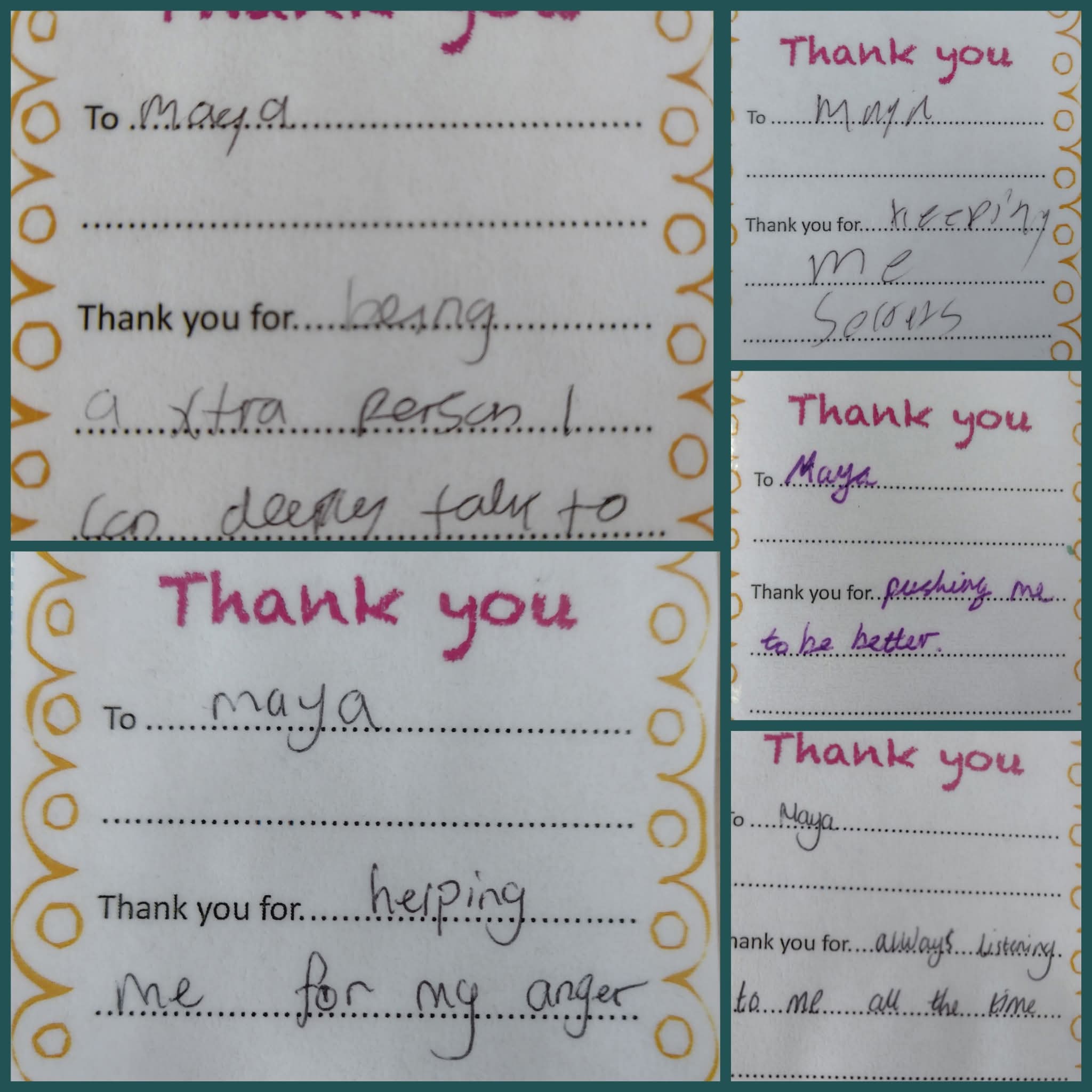
We help young people understand what’s happening beneath their responses and develop practical skills they can use beyond the intervention.
Our youth intervention is informed by both specialist trauma knowledge and years of frontline experience working directly with young people.
BeyondTrauma Academy founder Mayameen Meftahi BEM has extensive experience engaging young people, including working within Peak Education, an independent provision supporting young people with social, emotional and mental health needs.
The BeyondTrauma™ framework and associated youth work have received recognition including:
This experience has reinforced something fundamental to our approach:
Youth Intervention can be commissioned within:
Schools & Colleges
Alternative Provision & SEMH Settings
Youth & Community Organisations
Local Authority Projects
Early Intervention & Prevention Projects
Violence Reduction & Community Safety Programmes
Charities & Voluntary Sector Organisations
Funded Youth Projects
Delivery can include the full BeyondTrauma™ Youth Intervention Programme, UNPACK Workshops, group interventions or bespoke trauma-informed youth provision developed around the objectives of a funded project.
Occasional commissioned 1:1 intervention can also be considered where this forms part of an appropriate professional or funded support package.
We welcome enquiries from schools, colleges, alternative provisions, youth organisations, local authorities, community organisations, funders and commissioners looking to provide trauma-informed intervention for young people.
Our provision can be commissioned as a standalone intervention or form part of a wider funded project, early-intervention programme or targeted piece of youth work.
Organisations can commission the BeyondTrauma™ Youth Intervention Programme, our UNPACK Workshops, or work with us to develop bespoke delivery around an identified need — including youth violence, exploitation, online harms, relationships, emotional wellbeing and disengagement.
Delivery can be adapted around the young people, setting and project outcomes, with appropriate feedback and impact reporting available for funded provision.
Enquire About Youth Intervention
Your support helps BeyondTrauma Academy provide trauma-informed interventions and workshops for young people who may not otherwise have access to this kind of support.
Donations and sponsorship can help us deliver funded places, community-based youth projects and targeted interventions in areas where young people need them most.